
01
Nothing is retired before its replacement has proven itself in real use. The business never bets its operation on a launch day.
Custom platforms & dashboards
← All servicesWe design and build purpose-built software around the way your business actually operates — customer portals, operations dashboards and internal platforms that give jobs, documents and numbers one home instead of five.
Why it matters
Most stacks grew one subscription at a time: jobs in one tool, money in another, documents in a third, and staff carrying information between them by email. Each tool is fine alone. Together they scatter the operation's facts across systems that never agree — and the true state of the business gets assembled by hand, when someone has time.
A purpose-built platform inverts that. The software is shaped around your workflow — your stages, your documents, your approvals — and the systems that deserve to stay, like accounting, are connected by API rather than replaced. Double handling disappears, the numbers agree with each other, and decisions stop waiting on a spreadsheet being reconciled.
Common challenges
Jobs in one tool, money in another, documents in a third — and the true state of the business assembled by hand, when someone has time.
Critical processes running on a workbook only one person understands, emailed around with file names like 'FINAL-v7'.
Off-the-shelf systems bent to fit — half the features unused, the missing ones patched with workarounds and memory.
Clients ringing for a status update because there's nowhere they can see their own project's stage, documents or invoices.
Hours spent compiling numbers that were already in the systems — just never in the same one.
What we build
Built on a modern, maintainable stack — and connected to the systems that deserve to stay.
A live view for every client: project stage, timelines, documents under version control, invoices and structured requests — instead of status-update phone calls.
Jobs, capacity, pipeline and revenue on one screen, fed live from the systems that do the work.
Internal tools that model your actual process — stages, assignments, approvals and handoffs — instead of a generic board bent to fit.
Reports that write themselves from live data — for management, clients, compliance and stakeholders.
The unglamorous screens that run the business — quoting, scheduling, document control — built for the people who use them all day.
Accounting, CRM, calendars and field tools connected by API, so the platform reflects reality without re-entry.
How we build
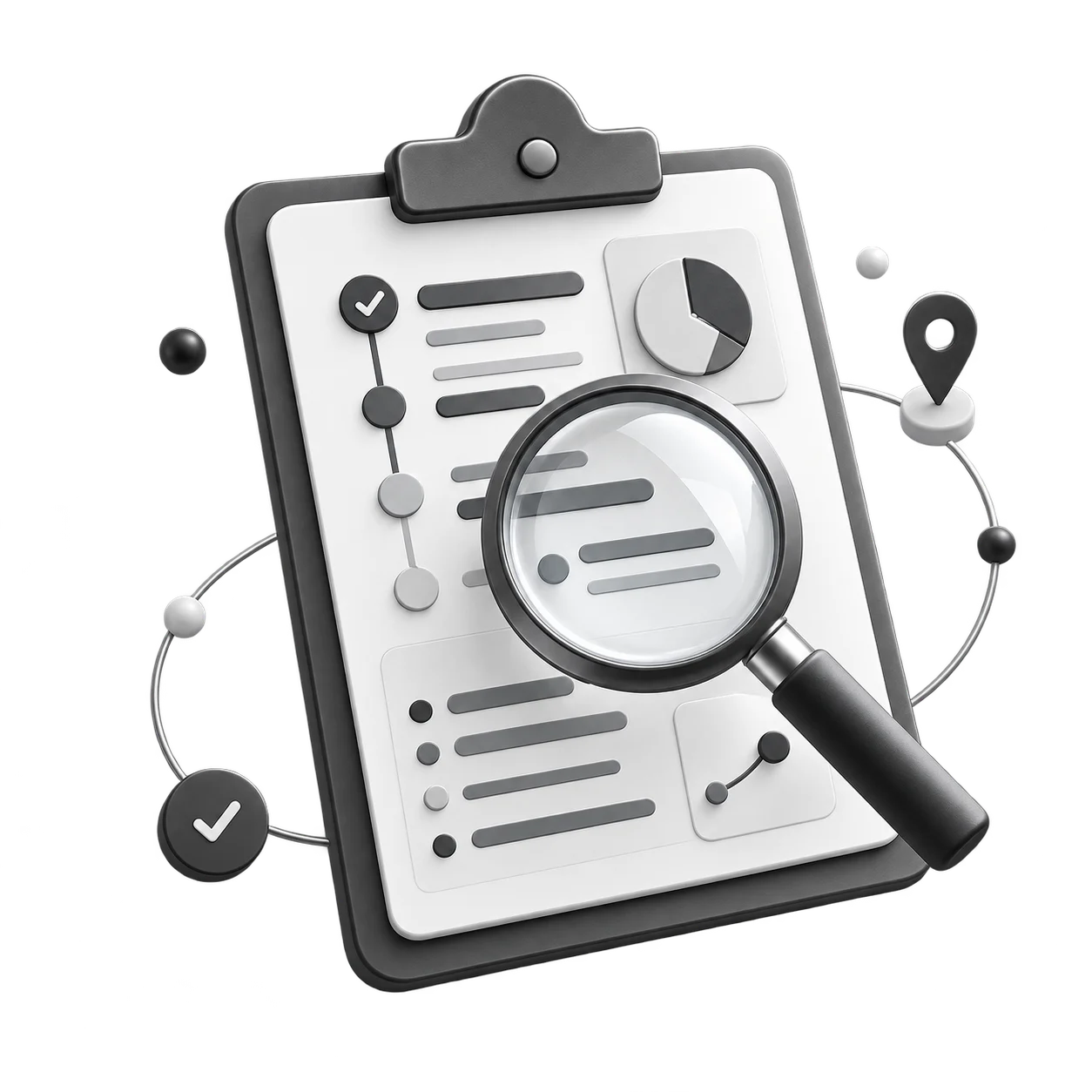
We map the current stack: what each tool actually does, what it costs, where the gaps are papered over — and which systems deserve to stay.
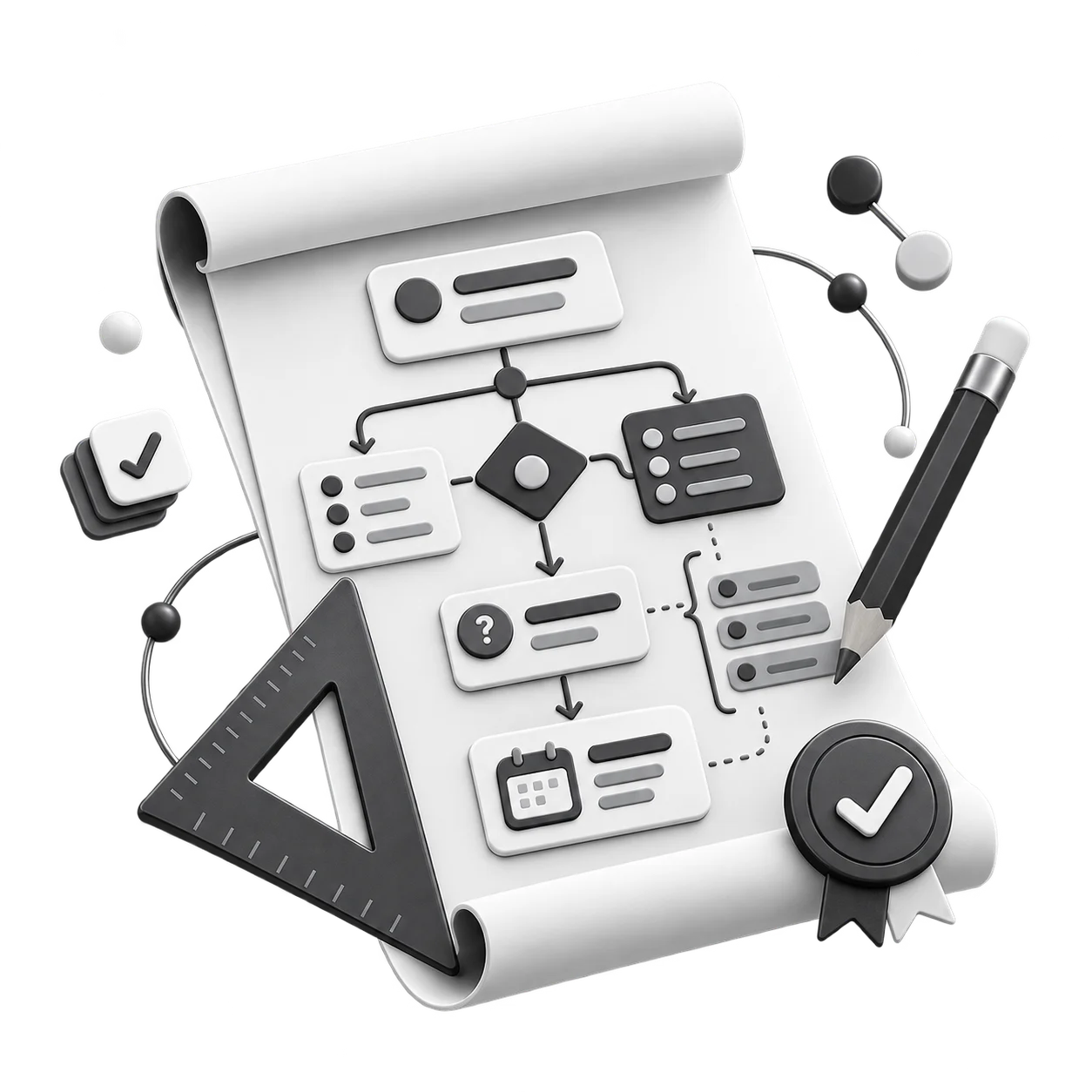
The platform is designed around your workflow and data — screens, permissions, integrations and the migration path — before any code.
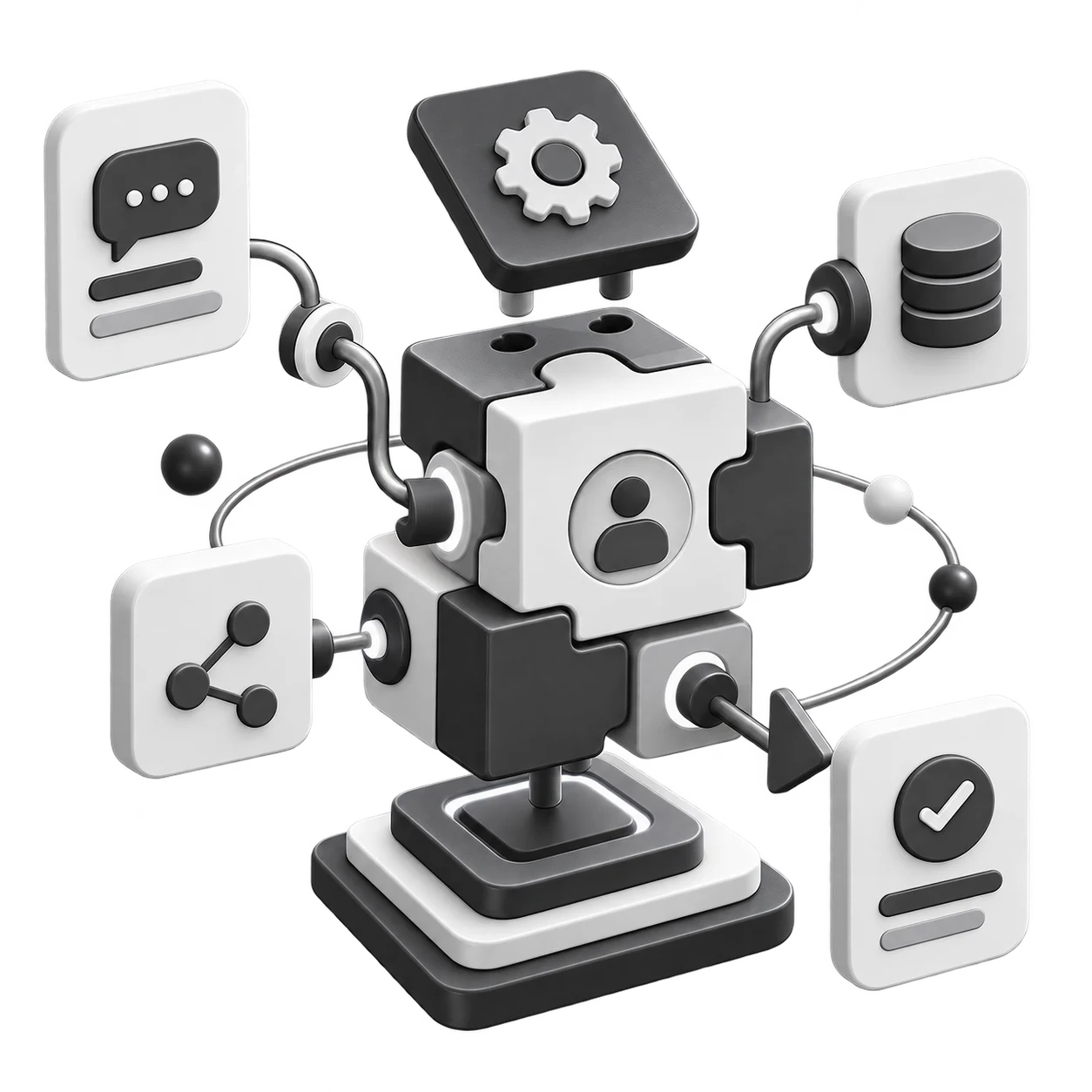
Built in stages on a modern, maintainable stack, with the highest-value surface first — nobody waits a year for a big-bang launch.
Your team works real jobs through the platform while the old tools still run — every gap found in parallel, not in production.
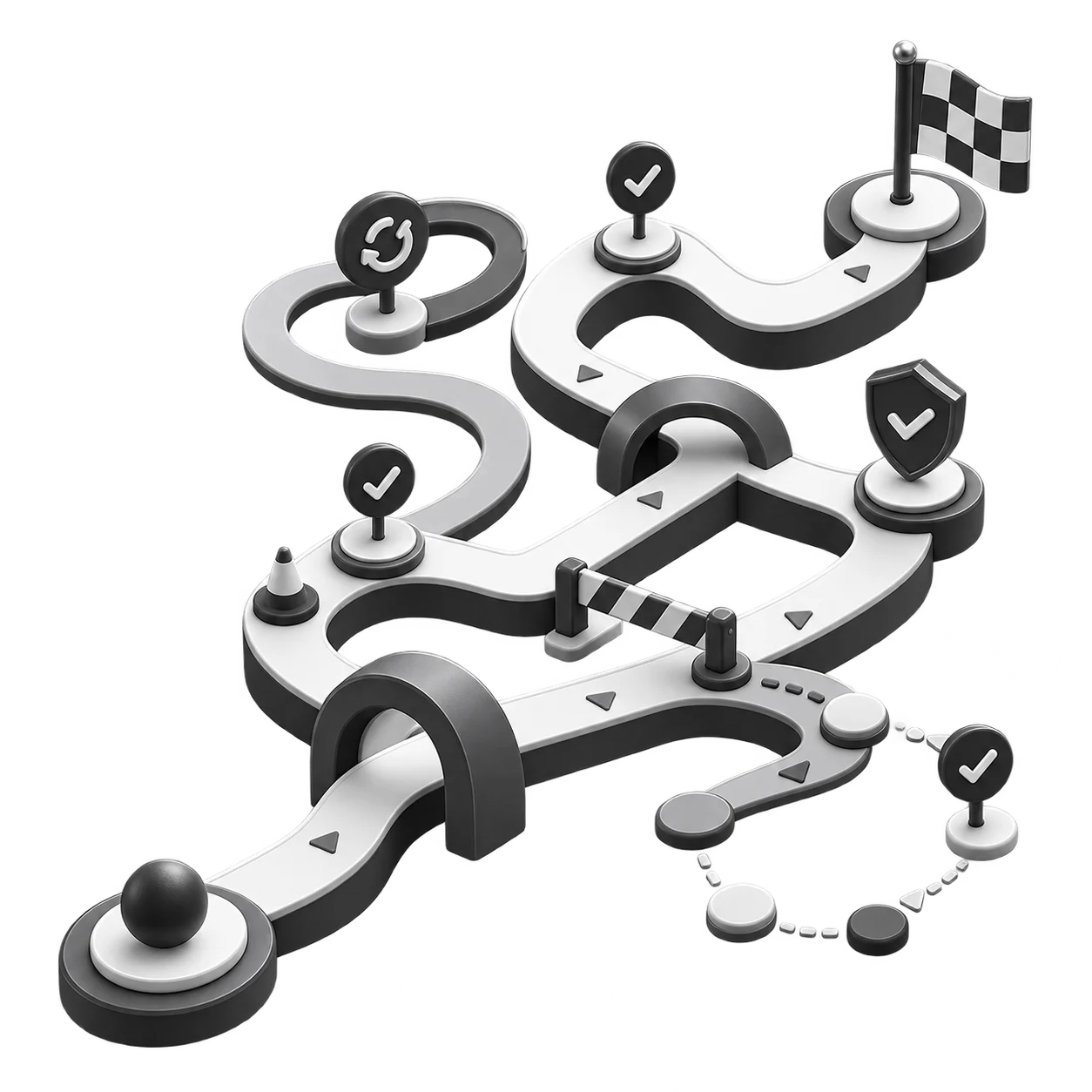
Each legacy tool is retired only once its replacement has proven itself in use. Staged go-live, documented handover, clear ownership.
The platform grows with the operation — new modules earn their place from usage and results, not a roadmap written on day one.
Built deliberately.Governed from day one.
What we deliver
What you receive is working software in production — a platform your team runs the business on, documented and owned by you, with the systems that earned their place still connected.
01
Nothing is retired before its replacement has proven itself in real use. The business never bets its operation on a launch day.
02
Systems that earn their place — like your accounting — stay, connected by API. We replace sprawl, not everything.
03
Documented, maintainable, and handed over properly. You own the platform; you're not renting it from us.
04
The founders design and build the work. Your platform isn't handed down a chain of subcontractors.
The next step
Walk us through your stack. We'll tell you what a platform around your operation would look like — and which of your current tools deserve to survive it.