
01
We automate around the software you already use and only recommend replacing a system when it genuinely earns its place.
Custom workflow automation
← All servicesWe design and build automation across the tools you already run — so information moves between them on its own, follow-ups happen on schedule, and your team spends its hours on work that actually needs a person.
Why it matters
Every growing business accumulates the same quiet workload: quotes re-typed into invoices, customer details entered into three systems, approvals waiting in inboxes, follow-ups that depend on someone remembering. Each step is small. Together, they set the speed limit of the operation.
The gaps between people and tools are where jobs wait, details drift and mistakes multiply. Automated properly, information is entered once and moves everywhere it's needed; the next step triggers itself; nothing depends on one person's memory or one person's routine. The process stops living in someone's head — and stops leaving with them.
Common challenges
Quoting, invoicing, data entry and follow-up done by hand — hours of skilled people's time spent on work a system should do.
The same customer, job or order typed into the CRM, the accounting system and a spreadsheet — three chances to make an error, none of them in sync.
Work that sits between people: the quote waiting on a sign-off, the invoice waiting on the quote, the job waiting on the paperwork.
Payment reminders, quote chases and scheduled check-ins that depend on someone remembering — and stop happening in a busy week.
When the workflow exists only in one person's routine, every holiday, resignation or sick day becomes an operational risk.
What we build
We rarely replace your software. We connect it — and automate the movement between it.
End-to-end processes — enquiry to quote, job to invoice, order to fulfilment — modelled and automated as one connected flow.
Quotes generated from structured intake, invoices raised on job completion, and payment reminder sequences that run themselves.
Human sign-off built in where it matters — routed to the right person, chased automatically, logged for the record.
Proposals, compliance records, reports and standard documents generated, filed and routed without manual assembly.
Records created and updated from real events — enquiries, calls, jobs, payments — so the CRM reflects the operation without anyone maintaining it.
The right person told the right thing at the right moment — schedule summaries, escalations, status changes — without a group chat.
API connections between your CRM, accounting, calendar and job systems, so a change in one moves to the others automatically.
How we build
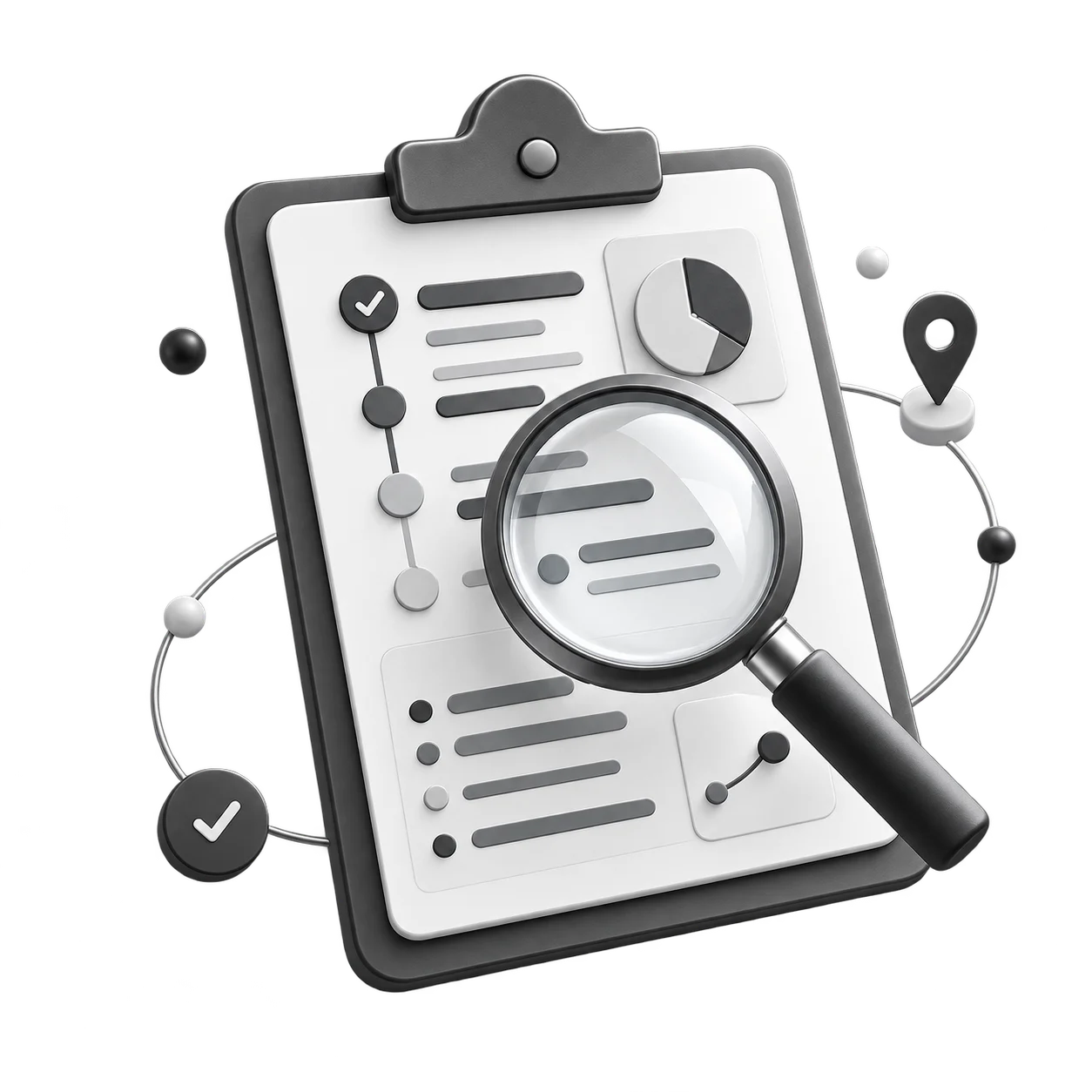
We map how work actually moves through your business — every re-key, wait and workaround — and cost the bottlenecks against each other.
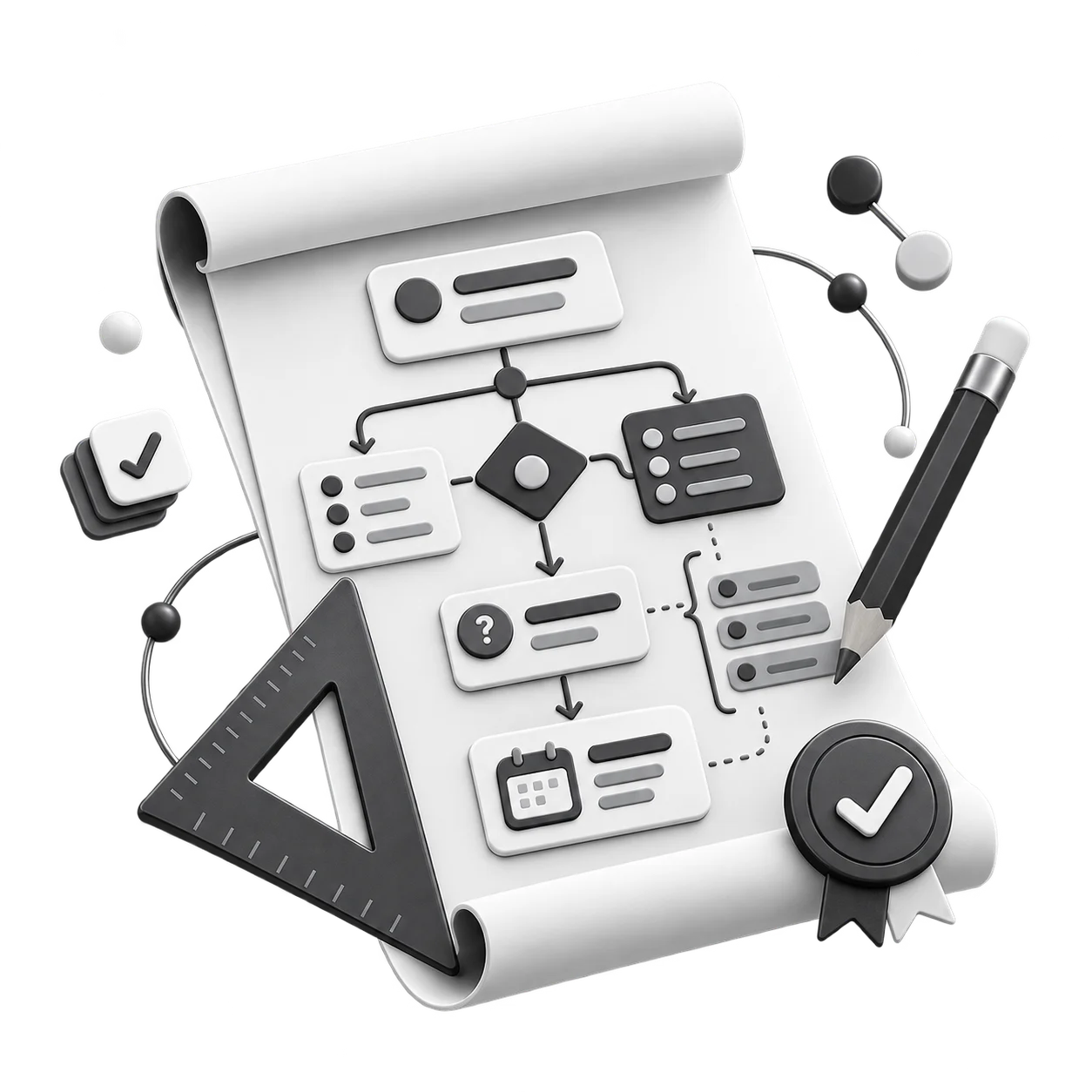
The workflow is designed on paper first: triggers, data flow, approval points and what happens when something fails.
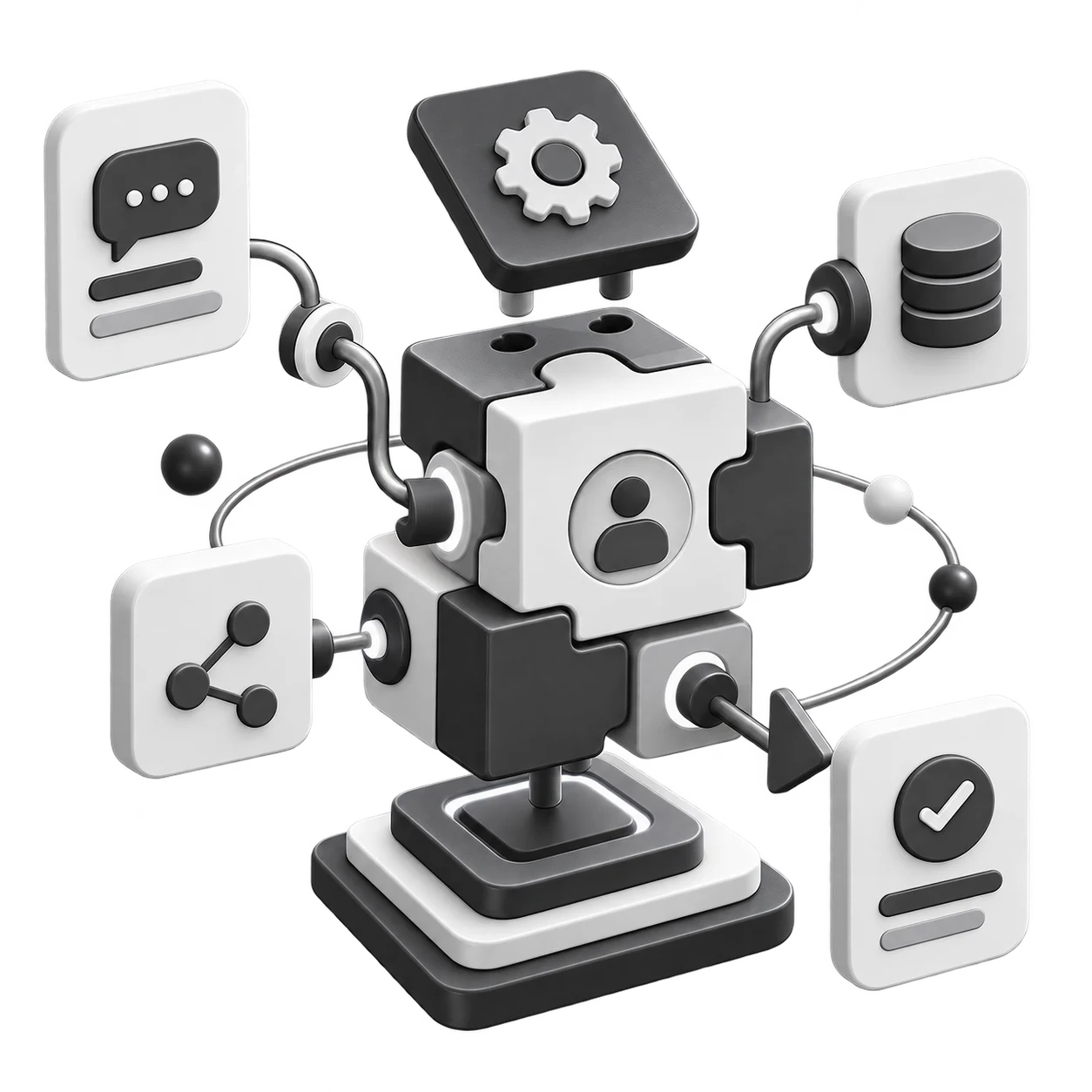
We build the automation against your live tools — CRM, accounting, calendars, job systems — not a parallel stack you have to migrate to.
Real jobs, real edge cases: the duplicate enquiry, the amended invoice, the approval that never comes. Failures route to people, never into silence.
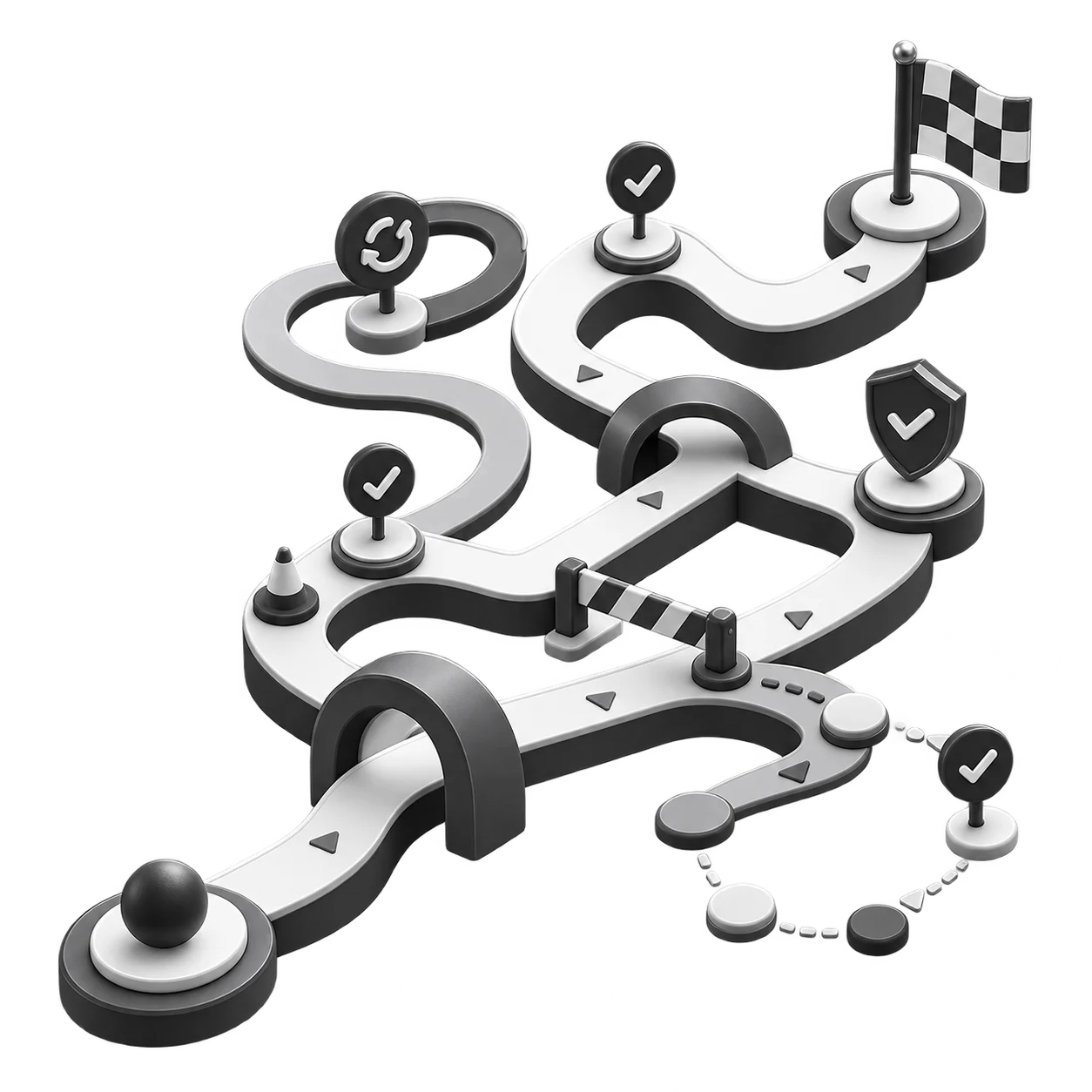
Go live in stages, with the manual process still available until the automation has earned your trust — and documentation for whoever owns it.

We watch what the system actually handles, tune the exceptions, and extend automation only where the results justify it.
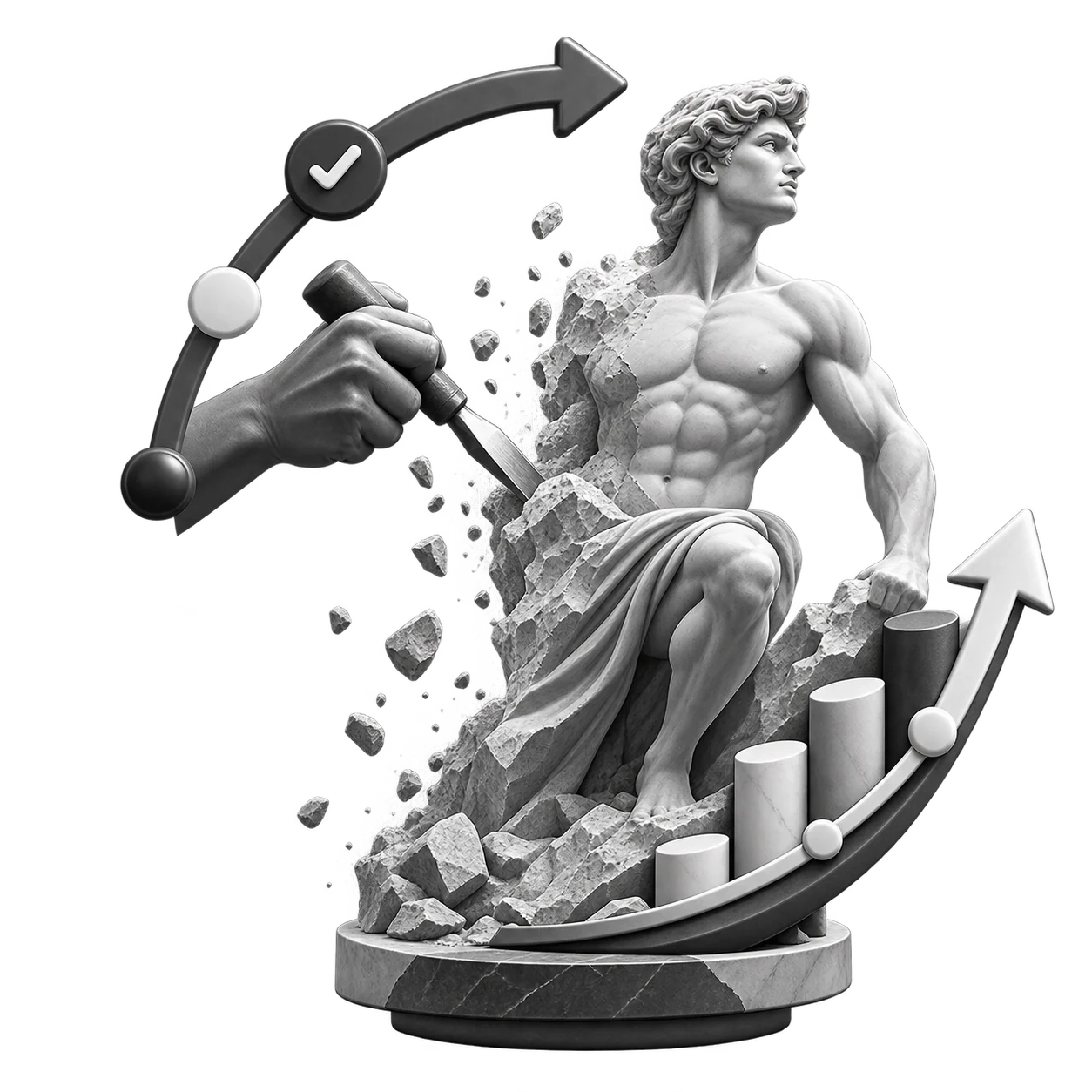
Built deliberately.Governed from day one.
What we deliver
By launch you own a running production system — automation wired into the tools you already use, monitored, documented and handed over properly. Not a diagram and a list of subscriptions.
01
We automate around the software you already use and only recommend replacing a system when it genuinely earns its place.
02
Error handling, retries, logging and human escalation are designed in from the start — not patched in after the first silent failure.
03
The founders scope, design and build the work. The people you meet in the first conversation are the people writing the automation.
04
Some processes should be automated, some simplified, some left alone. We tell you which is which before you spend on any of them.
The next step
Bring us the process that eats the most hours. In twenty minutes we'll tell you what automating it would involve — and whether it's worth it.